This spring, for the first time in his career, Dan Garcia sat alone during his office hours. Dan runs Berkeley’s introductory computer science courses. The ones that turn eighteen-year-olds into people who learn to love to sit beneath the syntax tree.
The hours used to overflow but this term, nobody came. Then the grades came in: more than a third of the students in one class failed. The department guideline says just about seven percent should land at a D or F. But there was thirty-five percent.
He blames the obvious thing. Some students cheated with ChatGPT or Claude and got caught. More leaned on the models all semester, then met their exam nemesis. In a nearby class on optimization, the professor found students who had never learned the linear algebra it required. One explained why: the prerequisite course had let them use AI on every assignment and every test1.
The headlines this year are about jobs. But they should be about this.
For a decade the fear was factories, trucks, the physical economy. The first wave landed on the desk: the analyst, the associate, the junior developer. The IMF’s managing director called it a tsunami hitting the people newest to the workforce, because the tasks AI does first are the tasks we used to hand the beginner. Stanford’s payroll data is worse: among early-career workers aged 22 to 25 in the most AI-exposed jobs, employment has dropped thirteen percent since late 2022, while older workers in the same fields held steady. AI is erasing the entrance to the profession.
The entry-level job built people. The memo, the boilerplate, the first clumsy function.
Its real product was the person it made.
You did the small things badly, then less badly, under someone who could tell the difference, and somewhere in those repetitions you grew the judgment that lets a person lead. The grunt work was the forge. Cut it and you keep the salary you saved. You lose the senior you would have built.
The empty office hours and the shrinking job market are one pipe, breaking at both ends.
At the far end, companies stop hiring juniors. Salesforce hired no new engineers last year, Benioff said. New-graduate hiring at the largest tech firms has roughly halved since before the pandemic.
At the near end, the would-be juniors skip the part that would have made them worth hiring. A student hands the problem set to the model, the assignment ships, and the learning doesn’t materialized because the operator in this case was concerned about the outcome.
This trap is on a delayed spring. Everyone inside it behaves rationally. The company saves a salary it can measure. The student ships their work on time. The school, short on teaching staff, waves the tool through. Each choice is defensible on the day it is made. None of them can see the compounded cost because it arrives years late and arrives diffuse a shortage of people who can judge the work the machines produce.
And we will need those people more than ever. An agent that writes code still needs the judgement of someone who has been there and done that to evaluate if it functions correctly and is architecturally sound.
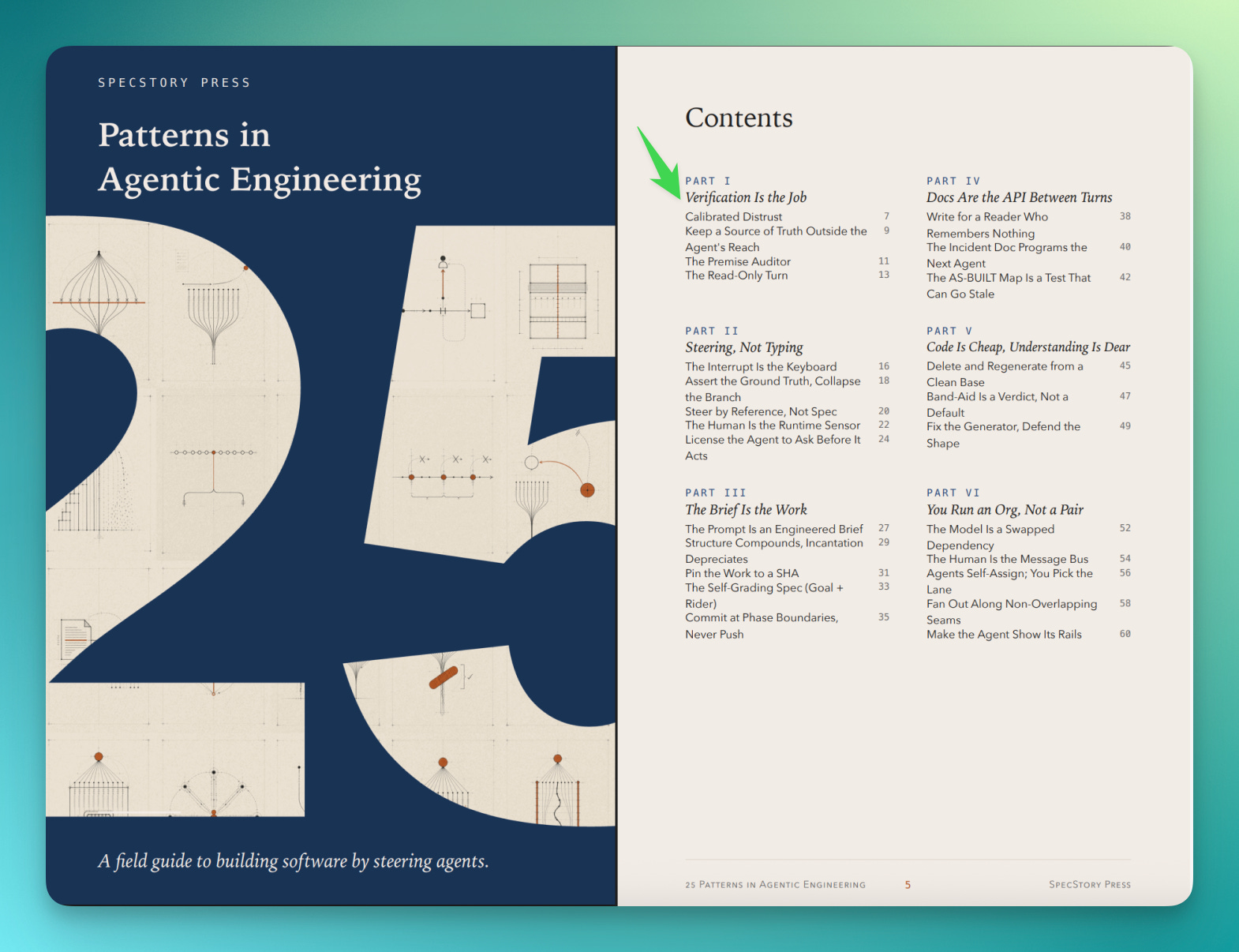
My opinions are strong on this topic having just written a book on Agentic Engineering with a first chapter entitled “Verification is the Job”.
And guess what, right now, that someone is a senior. But Seniors are made from juniors. We are dismantling the only process we have for making them, while building the machines that make their judgment rare and expensive.
Berkeley has already begun cutting its computer science enrollment and its teaching assistants. Enrollments are expected to fall nationwide as students read the market and walk away.
The easy version of this essay is a lie. The failing grades have more than one father it goes. For example:
Cheating inflates the count
Weak math preparation predates the chatbot, and
A class stripped of teaching assistants fails students on its own.
The optimists are not fools. IBM said it will triple its entry-level hiring, betting that a young person raised on directing AI is the better long-term investment. Maybe the first rung does not vanish. Maybe it rises up the stack, and the apprenticeship moves from typing and sweating to judgment?
“What injures the hive injures the bee.” — VI. 54
But is judgment built by doing the thing, or by deciding about it?
If you can grow it by directing a machine from day one, we are fine, maybe better.
If it only ever came from the doing (from the sweat) then we are running a decade-long experiment on an entire generation with no way to reverse a bad result.
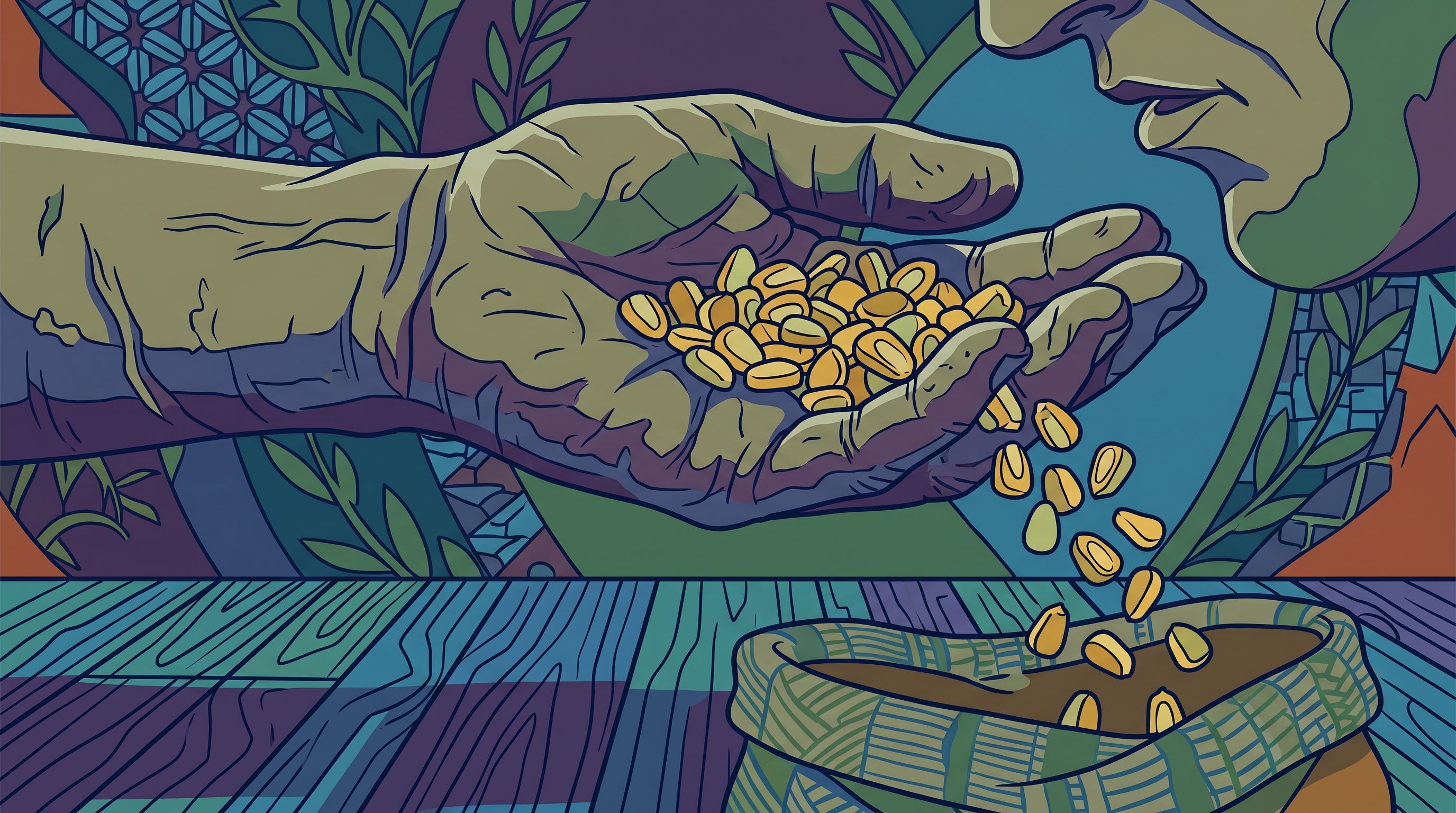
Berkeley’s is the first reading from inside that experiment and it does not look like fine. Farmers have a phrase for eating the seed you were meant to plant its called eating the seed corn. It feels like plenty in autumn and like famine by spring.
Would you have become someone worth listening to, if you had started your career above the API?
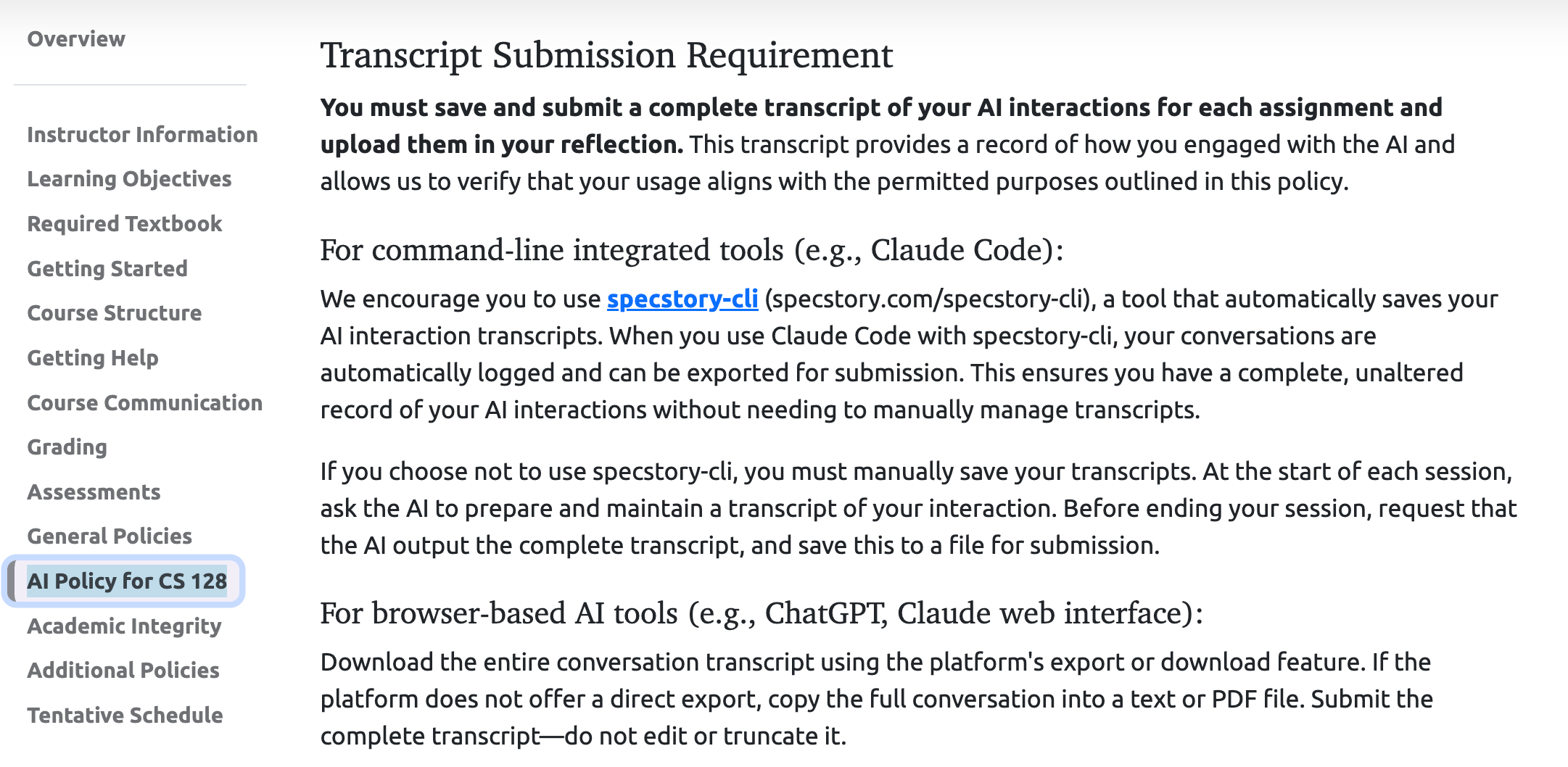
Notably: another CS course at the University of Illinois Urbana-Champaign also allows AI for assignments HOWEVER their policy requires that the full interaction transcript be uploaded alongside of the work with a written reflection detailing the thinking process. I like this for more than one reason, they also encourage the usage of SpecStory.